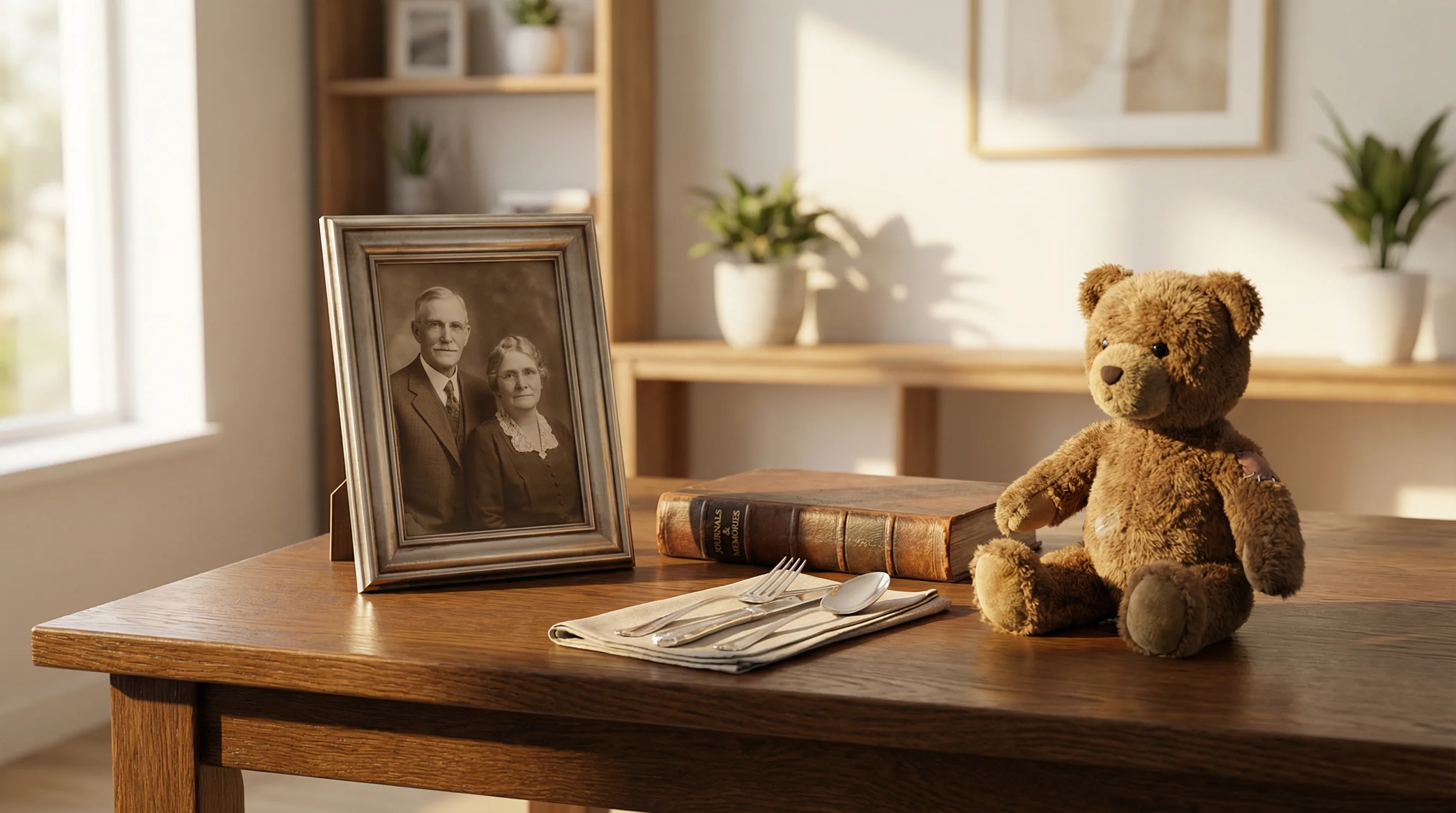
SAVING WHAT MATTERS MOST
Contents Restoration: We Save Your Belongings When Disaster Strikes
After water, fire, or mold damage, your personal belongings aren't necessarily lost. Our contents restoration specialists carefully inventory, pack, clean, and restore your possessions — saving what insurance can replace, and what it can't.
From Damage to Restored — Our Approach
Four clear steps take your belongings from disaster-damaged to beautifully restored. Every item is tracked and documented from the moment we arrive.
Why Professional Contents Restoration Matters
After a disaster, your first instinct may be to start throwing things away. But with professional care, the vast majority of your belongings can be saved—often looking and feeling like nothing ever happened.
The Difference Professional Restoration Makes
See how specialized techniques transform items that seem beyond saving. These are the kinds of results our team delivers every day.
What to Do Right Now to Save Your Belongings
If your home has just been damaged, these steps can dramatically increase how much can be saved. Read them now and act quickly.
Related Restoration Services
Connect contents recovery with the rest of your restoration plan
Contents restoration works alongside structural mitigation, textile cleaning, and insurance claims. Use these connected guides to coordinate your full recovery.
Water Restoration
Water-damaged belongings need fast extraction and drying alongside professional contents cleaning.
Fire & Smoke Cleanup
Smoke and soot damage to personal property requires specialized deodorization and residue removal techniques.
Mold Remediation
Mold-affected belongings may be salvageable with proper containment, cleaning, and antimicrobial treatment.
Textile Restoration
Clothing, rugs, drapes, and upholstery need dedicated fabric-specific cleaning as part of contents recovery.
Insurance Restoration Process
Proper contents inventory and documentation directly supports your personal property insurance claim.
Storm & Hurricane Damage
Storm-damaged belongings require rapid pack-out and preservation before secondary damage sets in.
Contents Restoration FAQ
Answers about saving your personal belongings after water, fire, or mold damage — from pack-out and cleaning to insurance claims and what can realistically be restored.
FAQ Topics
What Can Be Saved
More than most people expect. With professional contents restoration and prompt action, salvage rates above 90% are common for water damage when treatment begins within 48 hours. Fire and smoke damage varies more by item type, but solid wood furniture, most clothing and textiles, documents, photographs, electronics (if not powered on while wet), kitchenware, and many personal items can be professionally cleaned and restored. The key factors are material type, extent of exposure, contamination level, and how quickly restoration begins.
Still have questions about what can be saved?
Your Belongings Can Be Saved. Let Us Show You How.
Most people assume their damaged belongings are lost forever. The truth is that professional contents restoration can save far more than you expect — but time is critical. The sooner we begin, the more we can preserve.
Professional Pack-Out
Careful inventory and removal
Expert Cleaning
Specialized restoration methods
Secure Storage
Climate-controlled facility
24/7 Response
Time-critical item preservation